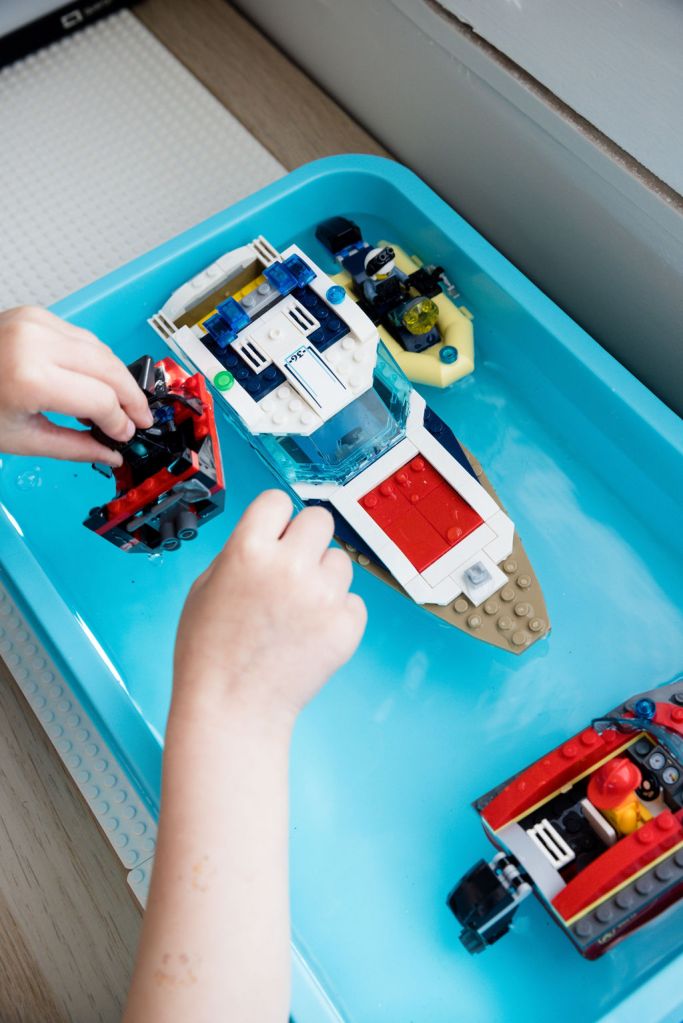
In our fast-paced, goal-driven world, play is often dismissed as frivolous or optional. But for children, play is not just fun, it’s essential. It’s how they communicate, process experiences, and develop emotionally. In the therapy room, play becomes even more powerful. As seen in the classic story Dibs in Search of Self by Virginia Axline, play can open a door to deep healing, connection, and growth.
Play Is a Child’s Language
Adults talk to understand themselves and each other. Children play. Through symbolic acts like building, pretending, drawing, or storytelling, children express thoughts and feelings they may not have the words for. In Dibs in Search of Self, a withdrawn and misunderstood child used play to communicate his inner world. Over time, the therapist’s consistent, accepting presence allowed Dibs to find his voice and reclaim his identity.
Attachment and Connection Through Play
Play creates opportunities for relational repair and attachment strengthening. When caregivers or therapists join a child’s play with attunement and respect, it communicates: You matter. I see you. I’m with you. This nonverbal communication is foundational for safety and trust. In fact, attachment-based play therapy models build on this idea that healing happens in the relationship, and play is the bridge.
Play Is Regulating
Play helps children regulate emotions, explore fears, and build resilience. Imaginative and sensory play both serve as tools to process difficult experiences and discharge stress. Through repetition, role-play, or even chaos in play (think superhero battles or messy art), children regain a sense of control and mastery.
Therapeutic Play Isn’t Just for Therapy
While trained play therapists guide children through therapeutic play in clinical settings, caregivers can also harness the power of play at home. Using simple acts like letting a child lead in a pretend game, or responding to their child’s art with curiosity. This can support emotional development and deepen connection.
What We Learn from Dibs
Dibs’ story reminds us that when we create a safe space for children to play freely and without judgment, remarkable healing can occur. The child’s transformation wasn’t driven by correction or instruction, it was nurtured through relationship, presence, and the freedom to explore their world through play.
Let’s Take Play Seriously
If we truly want to support children’s wellness, behavior, and mental health, we must value play. Whether you’re a parent, educator, or therapist, making room for play isn’t a luxury, it’s a necessity. In the words of Virginia Axline: “Play is the child’s natural medium of self-expression.”
When we protect and honor that, we open the door to healing, growth, and connection.
Axline, V. M. (1964). Dibs in search of self: Personality development in play therapy. Houghton Mifflin.
 Courageous Connections Counseling & Consulting